
IP67: How Sealed Enclosures Protect Rugged Systems Across Industries
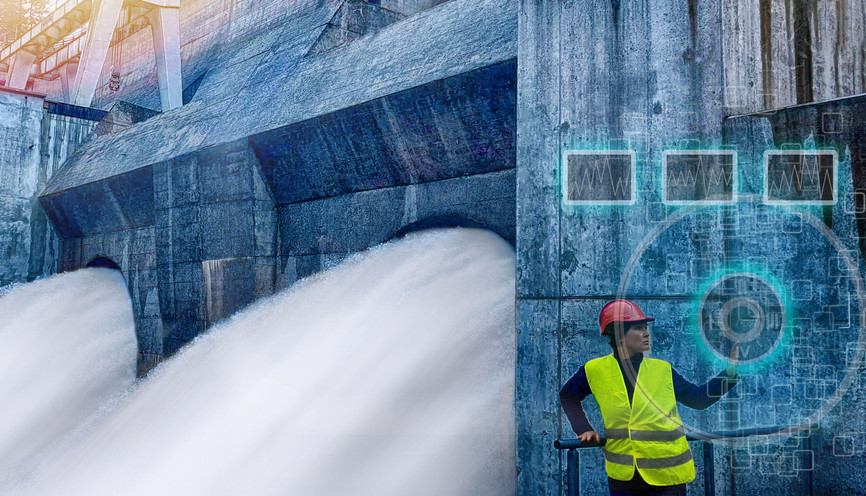
When Sealevel engineered its most powerful and rugged computer yet—built on the NVIDIA Jetson Orin Industrial platform—the system was designed to deliver real-time artificial intelligence (AI) in places where dust and water are constant possibilities. In these environments, proven resilience matters. That’s why it and other rugged computing equipment at the edge have sealed enclosures built to meet the stringent IP67 rating.
That four-character code may seem like a small detail on a spec sheet, but it carries important meaning. IP67 defines how well a system can resist dust and water, both of which commonly cause equipment failure in field and industrial environments.
“The whole point of IP67 is to ensure the device stays functional, regardless of the setting, indoors and out, protecting critical data and performing as it should” said Sealevel mechanical designer Austin Youngblood. “From the start, we wanted the Jetson system to provide that protection. An IP67 rating means the system is resistant to dust and water without losing integrity. The sealed enclosure lets the hardware keep performing and the data keep flowing as intended.”
Understanding what IP67 stands for and how it’s earned, why it matters, and how it strengthens AI at the edge reveals far more than a specification. It tells a story about reliability and the confidence that comes from knowing your technology will keep working when conditions are no longer clean and dry.
Decoding IP67: What Those Two Numbers Mean
When a spec sheet lists the letters “IP” followed by a pair of numbers, that’s the global shorthand for durability. According to IEC 60529, IP stands for ingress protection, and the numbers define the conditions that a device must be able to operate in despite the outside threats of solid particles and moisture.
In the case of IP67, those digits carry real weight. Together, they make IP67 a widely used baseline for rugged equipmentthat must remain functional and continue producing crucial data under environmental stress.
- 6 is the highest solid particle rating and indicates an enclosure is dust-tight under the defined test conditions.
- 7 is a water-immersion rating that verifies protection under defined depth and duration test conditions.
The rating is the outcome of engineering decisions that determine whether a system stays operational in exposed deployments. It verifies that rugged electronics can handle dust and temporary water immersion exposure, conditions that can ruin ordinary hardware. It’s assurance that the system was purpose-built, sealed, and tested to stand up to field realities.
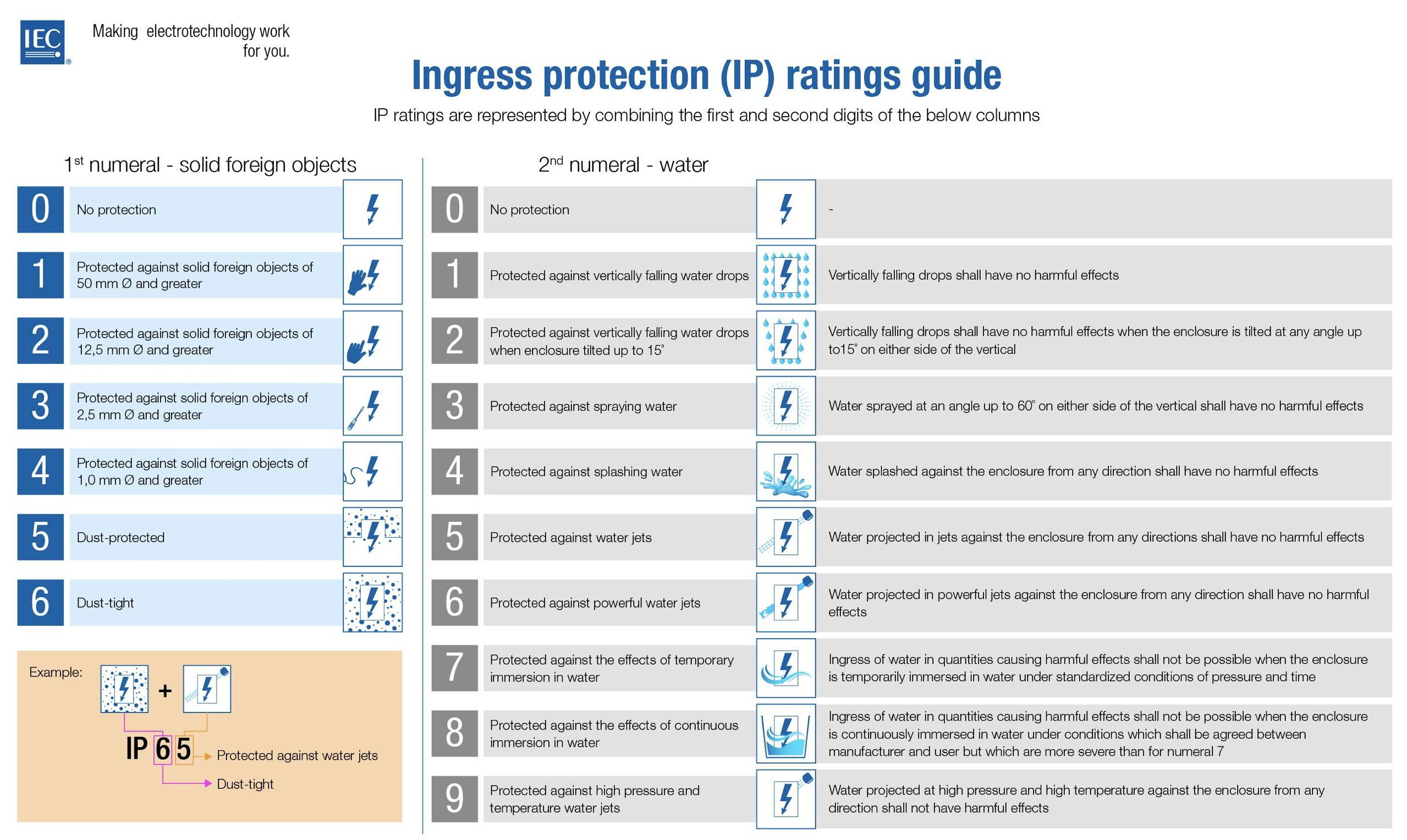
(Image credit: International Electrotechnical Commission)
How IP67 Rating is Earned
An IP67 rating isn’t a label that companies can simply claim; it’s a standard they must prove. To earn it, a product is validated against IEC 60529, the international standard that defines those ratings in measurable terms.
It starts with design. Engineers choose gasket materials that can handle compression, temperature swings, and long-term aging. They design enclosure surfaces to be flat and uniform, so the seal sits evenly. Connectors, cable glands, and fasteners are selected specifically to eliminate weak points because a single misaligned port or over-torqued screw can compromise ingress protection.
Even pressure and thermal changes are considered, often with membrane vents that equalize pressure without allowing contaminants in. These decisions form the foundation of a rating that will hold up in real-world conditions.
Then comes the testing, and IP67 has strict criteria.
Using controlled conditions, dust chamber evaluations try to force fine particulates into an enclosure through likely ingress paths. Water immersion tests submerge the device up to one meter deep for 30 minutes.
If evidence of dust or water ingress is found during inspection under the test criteria, the enclosure may not meet the standard, and engineers revisit the sealing strategy. That could mean refining gasket geometry, tightening assembly tolerances, or selecting more robust components.
Once those hurdles are cleared, documentation follows. Some manufacturers use independent test labs for verification, while others document results internally. Either way, the product specifications should clearly state the rating and describe the test conditions so users understand what level of protection they’re getting.
Sealevel conducts in-house water immersion testing during development then uses an external lab for full IP67 certification. Third-party testing gives customers assurance that the IP67 rating is backed by independent validation rather than internal claims alone.
Why IP67 Matters for Rugged Computing
When computing hardware is moved from a controlled space and out into the elements, it becomes exposed to intrusive factors that can harm electronics over time. Fine particulates can bridge traces on a printed circuit board (PCB), interrupt analog readings, or accumulate in connectors until signals degrade. Even small amounts of moisture can create corrosion on contact pads or cause intermittent shorts that are difficult to diagnose in the field.
In these situations, an IP67-rated enclosure closes off the contamination paths, blocking the threats. It protects internal components, which is necessary for long-term system reliability.
By eliminating intrusion points, rugged systems have cleaner electrical conditions to work in, which directly supports data integrity and long-term reliability.
Universal protection across sectors: Every private and public sector has contaminants, so the need to protect electronics is universal. Any intrusion can distort data, interrupt processes, or shorten equipment life. An IP67 rating is a trustworthy signal across sectors that hardware will stay online, regardless of what the local environment throws at it.
When systems at the edge aren’t protected, repairs and replacements surface more often. Every preventable fix can lead to delays and unnecessary operational strain. So, when systems maintain performance, teams—regardless of industry or location—can concentrate more on their task lists and less on the environmental problems that unsealed hardware invites.
Reliable performance where contaminants are unavoidable: Across industries, contaminants can come from different directions and sources and can degrade electronics if they make it inside.
In industrial automation, powders, coolant mist, and metallic dust can infiltrate unsealed housings and gradually weaken components. In public safety and defense settings, fine sand or road dust stirred up by vehicles can find its way into connectors if left unprotected.
IP67 protection keeps control electronics shielded. Eliminating the ingress paths can prevent contamination-related equipment outages and improve rugged computing reliability, giving leaders confidence that operations will continue without interruption.
Data that stays trustworthy in the field: Edge devices are only as useful as the data they deliver. A pressure sensor in a pipeline, a traffic counter on a roadside pole, or an environmental station at a reservoir can all produce skewed or noisy readings when moisture creeps into sensor interfaces or debris affects analog circuitry.
Choosing IP67-rated enclosures is risk management. By keeping internal components uncontaminated, IP67 hardware minimizes data-quality risks and assures decision-makers they’ll receive accurate information despite the outside elements.
Less hands-on maintenance in hard-to-reach places: Remote well pads, offshore platforms, unmanned vehicles, and equipment mounted on rail systems all make frequent service difficult and expensive. With an IP67-rated enclosure, issues caused by environmental exposure drop significantly, reducing unplanned site visits and extending maintenance intervals. Travel, downtime, and specialized labor are costly, so the resilience provided by IP67 benefits operational budgets.
How IP67 Strengthens AI at the Edge
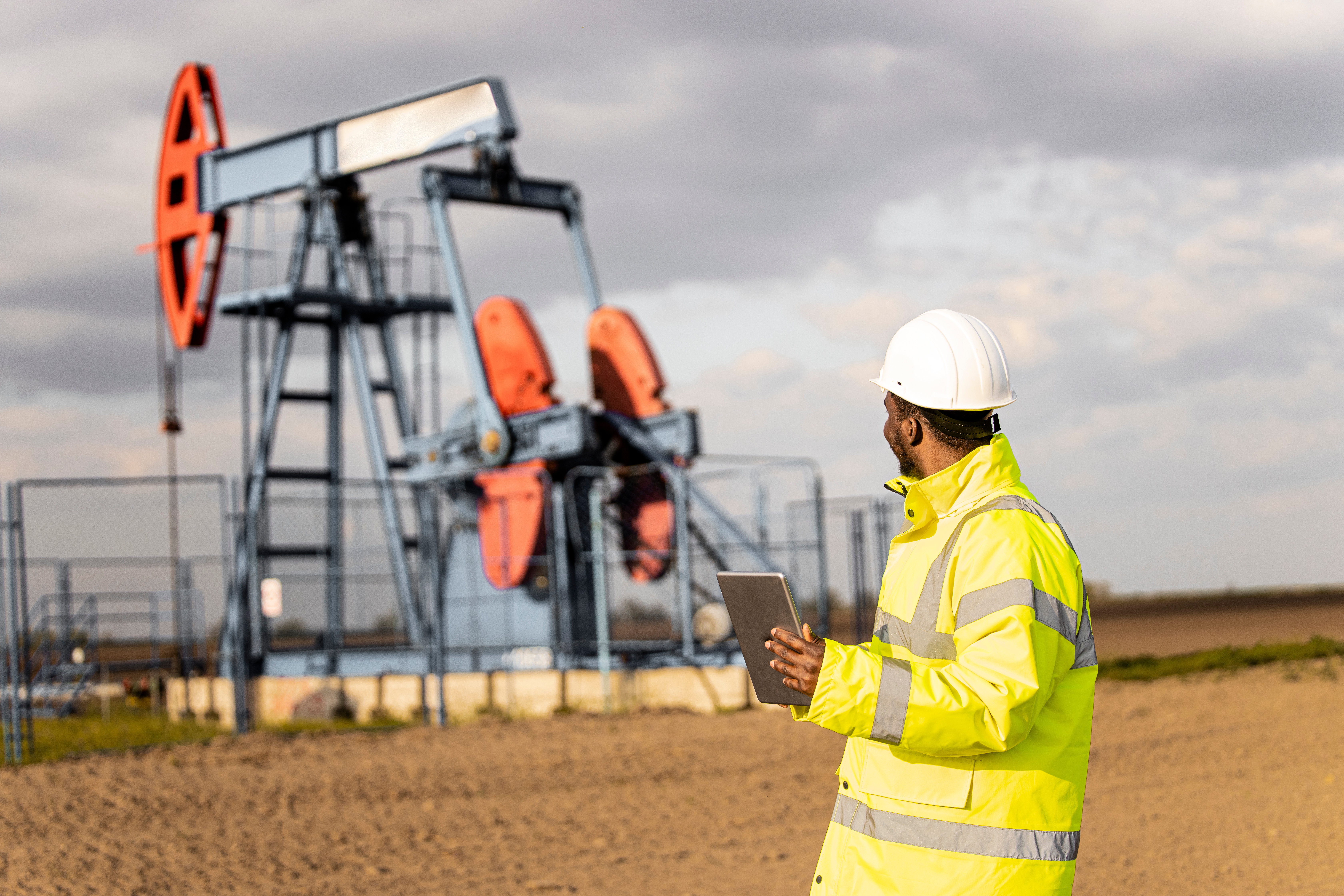
Outside, performance depends as much on the enclosure as it does on the algorithm. Across sectors, AI-driven systems are making decisions and performing computations on poles, pipelines, vehicles, and other locations that don’t have the luxury of climate control.
Keeping advanced computing water resistant and dust-tight prevents drift in the data-acquisition hardware and high-speed I/O that edge AI processing chains rely on for accurate inference.
Built to endure: Edge AI systems are constantly processing input from cameras, sensors, and networks to make split-second decisions. IP67-rated enclosures are more than metal shells; they are insurance against interruptions. By blocking contaminants from reaching lenses, connectors, and analog front ends, IP67 helps ensure that AI algorithms receive clean, undistorted input signals.
Staying cool: Sealing a system to meet IP67 requires internal heat removal. With no open airflow, every watt of thermal energy must be managed. That kind of precision design ensures AI modules can run at full performance without overheating. Consistent thermal behavior reduces inference throttling and prevents dropped frames or delayed calculations during long-duration, high-intensity workloads.
Freedom to deploy anywhere: AI systems operate on machinery, transportation, towers, and infrastructure where rain and wind-blown debris are unavoidable. Tightly sealed enclosures make it possible to keep CPU- and GPU-intensive workloads operating beside pumps, antennas, or moving equipment without exposing electronics to damaging conditions. This allows AI processors to maintain stable clock speeds and uninterrupted data ingestion.
Assured intelligence: IP67-rated systems resist the particles and moisture that can distort output or break communication links. Since clean signals feed every stage downstream, IP67 hardware helps maintain the integrity of the entire edge AI pipeline.
IP67’s Real Value
An IP67 rating’s real value lies in what it represents: protection against the elements.
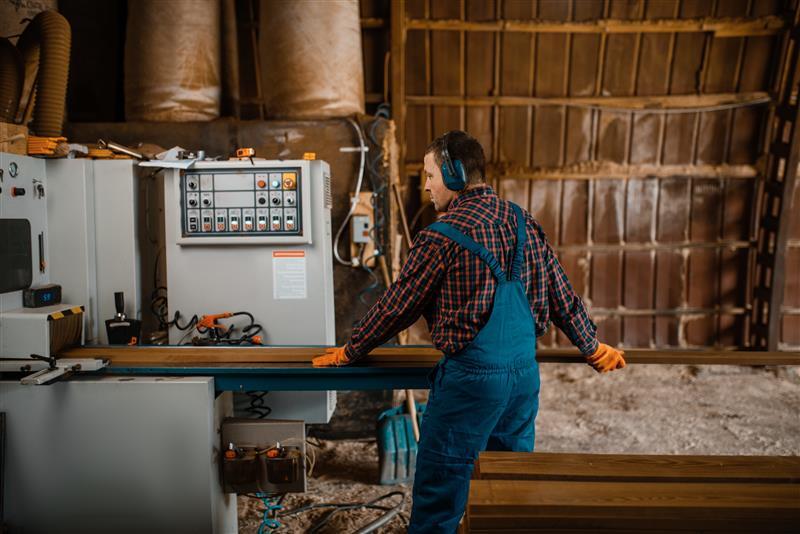
As with Sealevel’s IP67-rated AI computer, engineers validate every sealed enclosure detail to ensure rugged systems function in harsh conditions. From lumber mills in Oregon to hydroelectric stations along the Tennessee River, an IP67 rating indicates that sawdust and freshwater mist will stay outside where they belong.
When hardware is built to resist the elements, users can stay focused on their operations instead of their equipment. When you choose IP67-rated hardware, you can be certain of the protection, knowing the data will keep coming in when the rain falls and the dust settles.
Categories: